The History and Traditions of New Year's Day: From Ancient Calendars to Modern Times
We explore why January 1st became the generally accepted start of the calendar year and the traditions that accompany this holiday around the world.
 🚌Transport
Photo: TSN
Key points
- History of the January 1st date
- Impact of Caesar and Gregory XIII calendar reforms
- Diversity of global New Year customs
From Ancient Cycles to the Gregorian Calendar
The tradition of celebrating the beginning of the new year on January 1st has deep roots dating back to Ancient Rome. Although various civilizations over millennia chose dates tied to natural phenomena, such as the vernal equinox or the flooding of the Nile, it was the reforms of Julius Caesar and later Pope Gregory XIII that established the modern system of timekeeping.
The name of the first month of the year comes from the Roman god Janus, who symbolized transitions and new beginnings. He was traditionally depicted with two faces: one looking into the past, the other into the future, which perfectly captures the essence of the New Year holiday.
Global Traditions of Celebrating the Holiday
- Spain: eating 12 grapes as the clock strikes midnight to attract good luck.
- Italy: eating lentils, which symbolize financial prosperity.
- Japan: the Buddhist tradition of ringing bells 108 times to cleanse oneself of human passions.
- Scotland: the 'first-footing' custom, where the success of the year depends on the first guest to cross the threshold.
Today, most countries use the Gregorian calendar, so the main celebrations take place on the night of January 1st. At the same time, there are alternative systems, such as the Chinese or Hebrew calendars, where celebration dates are determined by lunar cycles.
Source TSN — tsn.ua/tsikavinki/koly-sviatkuiut-novyy-rik-chomu-data-prypadaye-na-1-s… ↗
Read next
 💼Economy
Ukraine's Agricultural Sector on the Brink: Experts Forecast Wave of Bankruptcies
Due to blocked export routes and rising costs, Ukrainian farmers are facing a critical financial situation, with mass bankruptcies expected as early as spring.
 🏛️Politics
SAP Prosecutor Praises NABU Media Team Amid Criticism Over Investigation Quality
Rostyslav Batig highlighted the professionalism of NABU's video editors when asked about the agency's reliance on media campaigns instead of strong evidence.
 🧠AI Analysis
NATO Rejects Russia's Demand to Return to 1997 Borders: Mark Rutte's Stance
NATO Secretary General Mark Rutte has dismissed the Kremlin's demands to roll back the alliance's presence to 1997 levels as 'unacceptable'.
 🧠AI Analysis
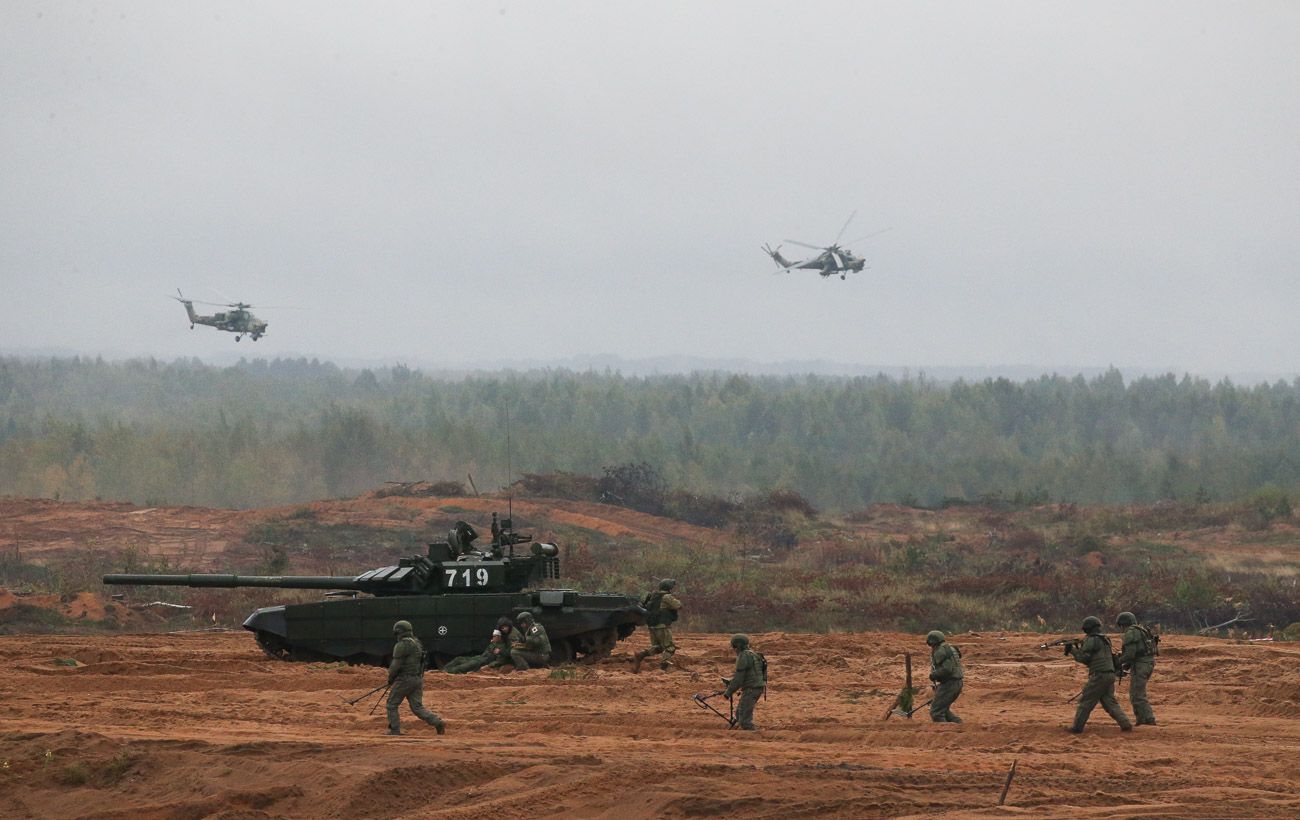
Russia Expands Military Infrastructure 60 km from Finnish Border
Satellite imagery reveals the reconstruction of the Kamenka garrison near the Finnish border, where Russia is establishing a new combat training center for troops deploye…
 🇺🇦Ukraine
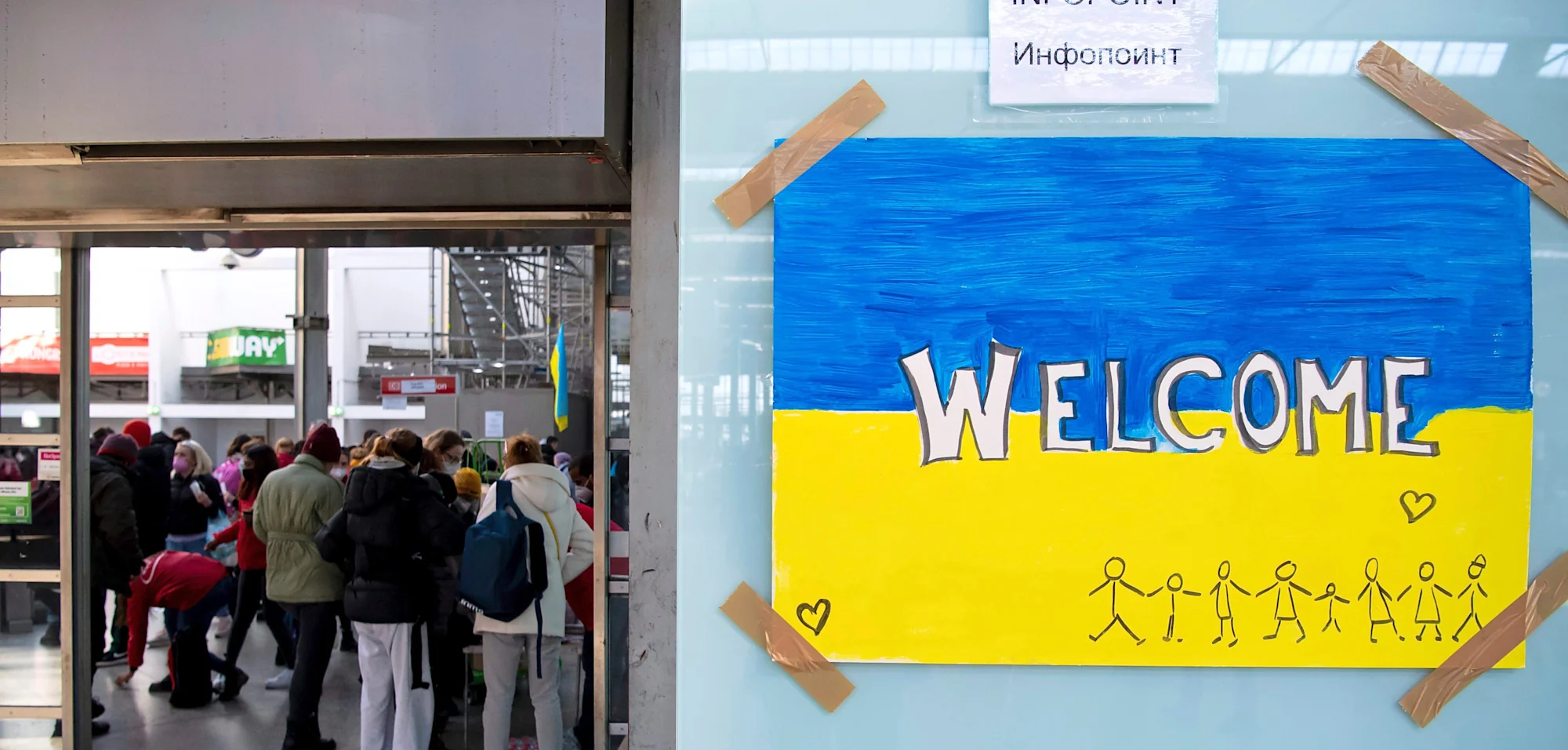
Munich to Convert Former BMW Offices into Housing for Ukrainian Refugees
Munich authorities are repurposing former BMW administrative buildings to house up to 600 people, primarily refugees from Ukraine.
 ⚽Sport
ATP Finals Review: Carlos Alcaraz Dominates and Young Talents Rise
Spanish tennis player Carlos Alcaraz claimed the ATP Finals title undefeated, reinforcing his status as a premier leader in men's tennis.